Knowledge Center

Geriatric Health

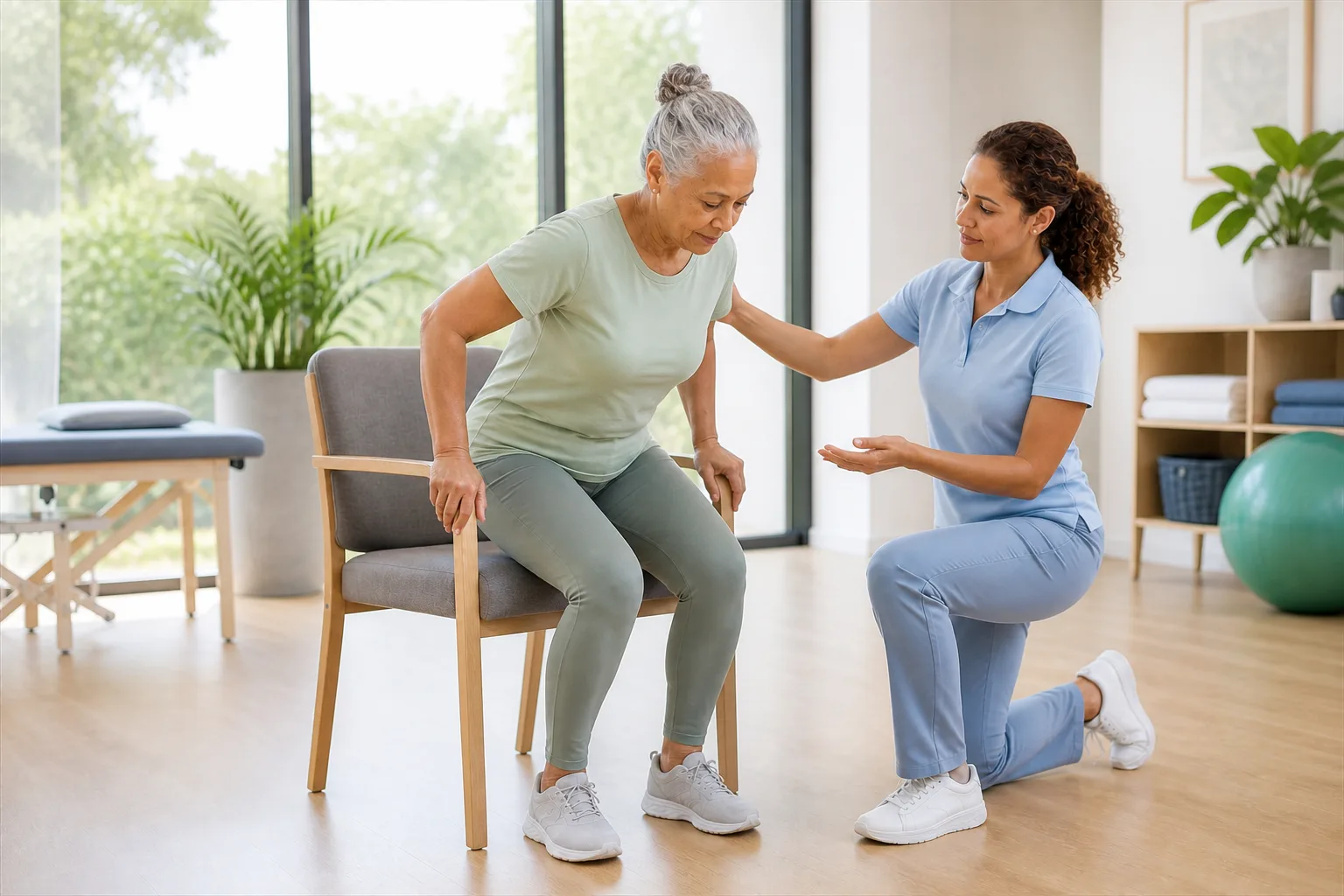
Clinical center focused on aging, with educational screenings for mobility, falls, frailty, nutrition and memory.

Loss of strength Falls Weight loss Low activity Forgetfulness

Updated on: Aug 15, 2026

5 assessments
Caregiver sitting beside an older adult, attentive during mealtime
Latest on Geriatric Health

Care for older adults with dysphagia: guidance for family and caregivers

Educational guide for family members and caregivers of older adults with dysphagia: meal routines, warning signs, basic choking first aid and when to seek help.

Aug 13, 2026

Overview

Function, falls, frailty, nutrition, memory and autonomy.

Clinical relevance

Integrated assessment of older adults helps recognize functional losses, nutritional risk, falls, frailty and cognitive changes before they compromise autonomy.

Signs and symptoms

  • Falls or fear of falling.
  • Loss of strength, weight, appetite or energy.
  • Difficulty walking or standing.
  • Frequent forgetfulness or behavior changes.

Related conditions

Sarcopenia Frailty Malnutrition Cognitive impairment Fall risk
Assessments

Clinical assessments

View all
Available

SARC-F

Initial screening for sarcopenia risk.

Purpose: Identify signs of strength and muscle function loss.

Interpretation: A high score suggests the need for professional assessment.

Start assessment
Available

Fall Risk

Educational screening of factors associated with falls.

Purpose: Recognize functional and environmental risk factors.

Interpretation: Increased risk should guide preventive measures and assessment.

Start assessment
Available

Frailty

Observation of vulnerability and functional decline signs.

Purpose: Organize clinical and functional vulnerability signs.

Interpretation: Accumulated signs indicate the need for follow-up.

Start assessment
Available

Nutrition

Educational nutritional risk screening.

Purpose: Identify signs of reduced intake or weight loss.

Interpretation: Changes suggest nutritional assessment.

Start assessment
Available

Memory and Cognition

Educational observation of cognitive signs in daily life.

Purpose: Record cognitive change signs noticed in routine.

Interpretation: Persistent signs justify professional assessment.

Start assessment

Guides

Available

Older adult functional screening guide

Guide about sarcopenia, falls, frailty, nutrition and memory.

Open resource

Protocols

Available

Fall prevention protocol

Educational flow with risk factors, environment, medicines and referral.

Open resource
Articles

Related articles

View library
Health care team talking with an older adult and family member during an assessment visit
Older Adult Health

Comprehensive geriatric assessment: what it is and why it can help

Understand what a comprehensive geriatric assessment is, which areas it covers, when it is usually indicated and how to prepare to bring useful information to the appointment.

Read article
Pharmacist reviewing a medication list with an older adult and caregiver
Older Adult Health

Polypharmacy in older adults: risks and warning signs

Educational guide to polypharmacy in older adults: what it is, why it increases fall and confusion risk, warning signs and how to prepare for a medication review.

Read article
Older adult doing a muscle-strengthening exercise with professional guidance
Older Adult Health

Sarcopenia: what it is, causes and how to identify signs

Educational guide to sarcopenia: what age-related loss of muscle mass and strength is, causes, warning signs and when to seek assessment.

Read article
Older adult doing a light dumbbell strength exercise under professional supervision
Older Adult Health

Strength exercise to help prevent sarcopenia in older adults

Educational guide to strength exercise for preventing sarcopenia in older adults: benefits, general safety principles and when to seek professional guidance.

Read article
Older adult walking outdoors with energy, accompanied by a family member
Older Adult Health

Pre-frailty: what it means and how to act early

Educational guide to pre-frailty in older adults: what this intermediate stage means, warning signs and why acting early can make a difference.

Read article
Older adult walking with a cane in a well-lit hallway
Older Adult Health

Frailty and falls: how to reduce risk in daily life

Educational guide to the relationship between frailty and fall risk in older adults, practical prevention measures and when to seek professional assessment.

Read article

FAQ

Falls, loss of strength, weight loss, low intake, confusion and worsening autonomy should be observed.

No. The assessments indicate signs that justify professional assessment, but they do not establish a diagnosis.

Seek assessment for falls, loss of strength or weight, reduced appetite, difficulty walking or performing usual activities, confusion or behavior changes.

References

  • Cruz-Jentoft AJ et al. Sarcopenia: revised European consensus on definition and diagnosis. Age and Ageing, 2019.
  • World Health Organization. Integrated care for older people: guidelines on community-level interventions, 2017.