Knowledge Center

Mobility

Clinical center for tools related to gait, fall risk, functional capacity and environmental safety.

Slow gait Imbalance Falls Weakness

Updated on: Aug 17, 2026

2 assessments
Pharmacist reviewing a medication list with an older adult and caregiver
Latest on Mobility

Polypharmacy in older adults: risks and warning signs

Educational guide to polypharmacy in older adults: what it is, why it increases fall and confusion risk, warning signs and how to prepare for a medication review.

Aug 13, 2026

Overview

Gait, balance, falls, strength and autonomy.

Clinical relevance

Preserved mobility reduces the risk of dependency, falls and loss of autonomy. Recognizing signs such as slow gait, imbalance or recent falls helps decide when to seek functional assessment.

Signs and symptoms

  • Recent falls.
  • Fear of falling.
  • Difficulty standing or walking.
  • Increasing use of mobility support.

Related conditions

Fall risk Sarcopenia Frailty
Assessments

Clinical assessments

View all
Available

Fall Risk

Educational screening of factors associated with falls.

Purpose: Identify factors associated with falls.

Interpretation: Increased risk suggests preventive measures and assessment.

Start assessment
Available

SARC-F

Initial screening for loss of strength and muscle function.

Purpose: Identify signs of muscle loss that impact mobility.

Interpretation: A high score suggests professional assessment.

Start assessment

Guides

Available

Older adult functional screening guide

Functional screening guide that includes gait, balance and fall risk.

Open resource

Protocols

Available

Fall prevention protocol

Educational flow with risk factors, environment, medicines and referral.

Open resource
Articles

Related articles

View library
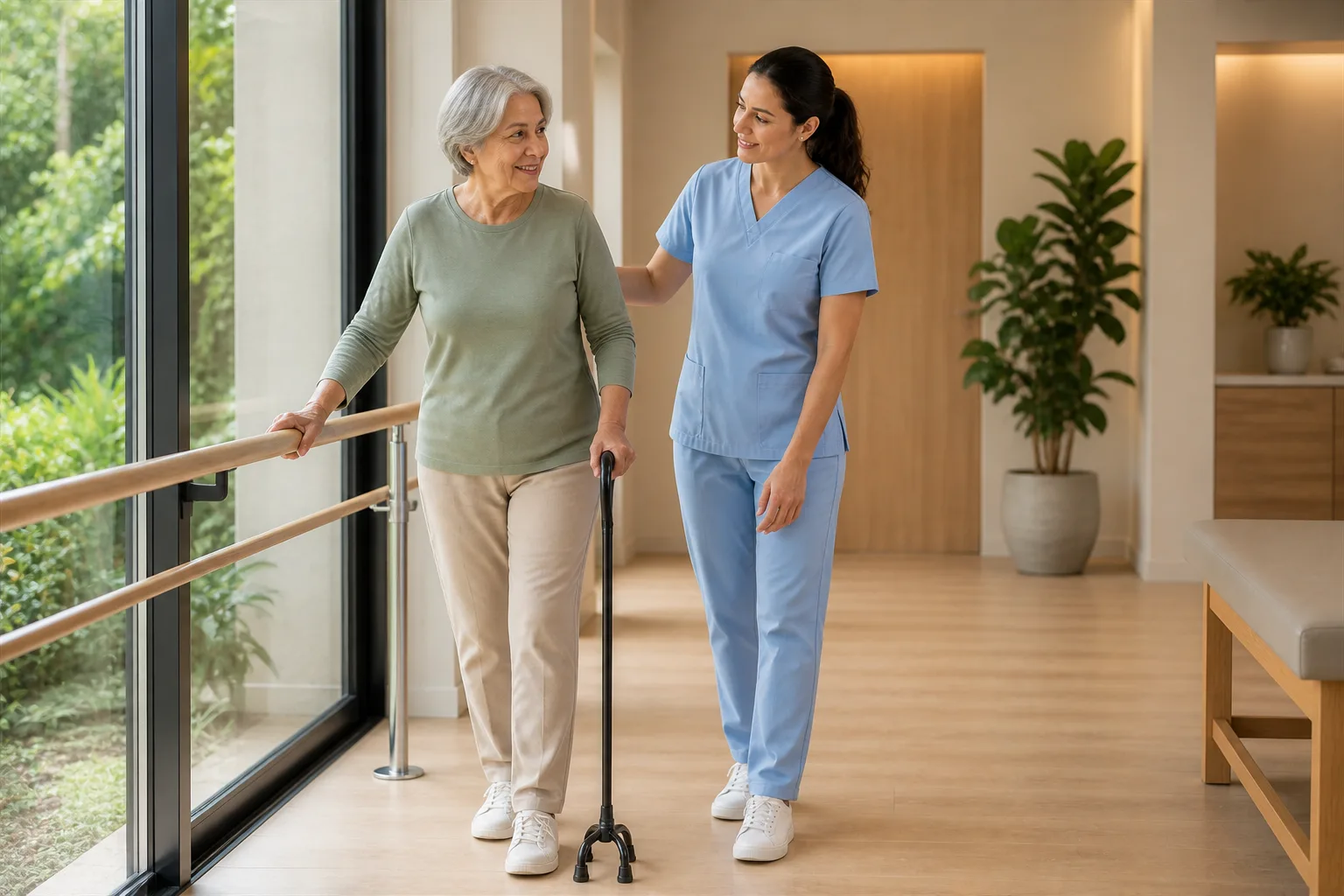
Older adult walking with a cane in a well-lit hallway
Older Adult Health

Frailty and falls: how to reduce risk in daily life

Educational guide to the relationship between frailty and fall risk in older adults, practical prevention measures and when to seek professional assessment.

Read article
Older adult walking safely in a well-lit, obstacle-free home environment
Mobility

Falls in older adults: prevention and functional assessment

Educational guide to fall prevention in older adults: risk factors, home environment adjustments, functional assessment and when to seek professional follow-up.

Read article
Older adult answering an educational fall risk questionnaire on a tablet
Mobility

Fall risk in older adults: how educational screening works

Understand how the educational fall risk screening for older adults works: what it assesses, how to interpret the result and why it does not replace professional assessment.

Read article
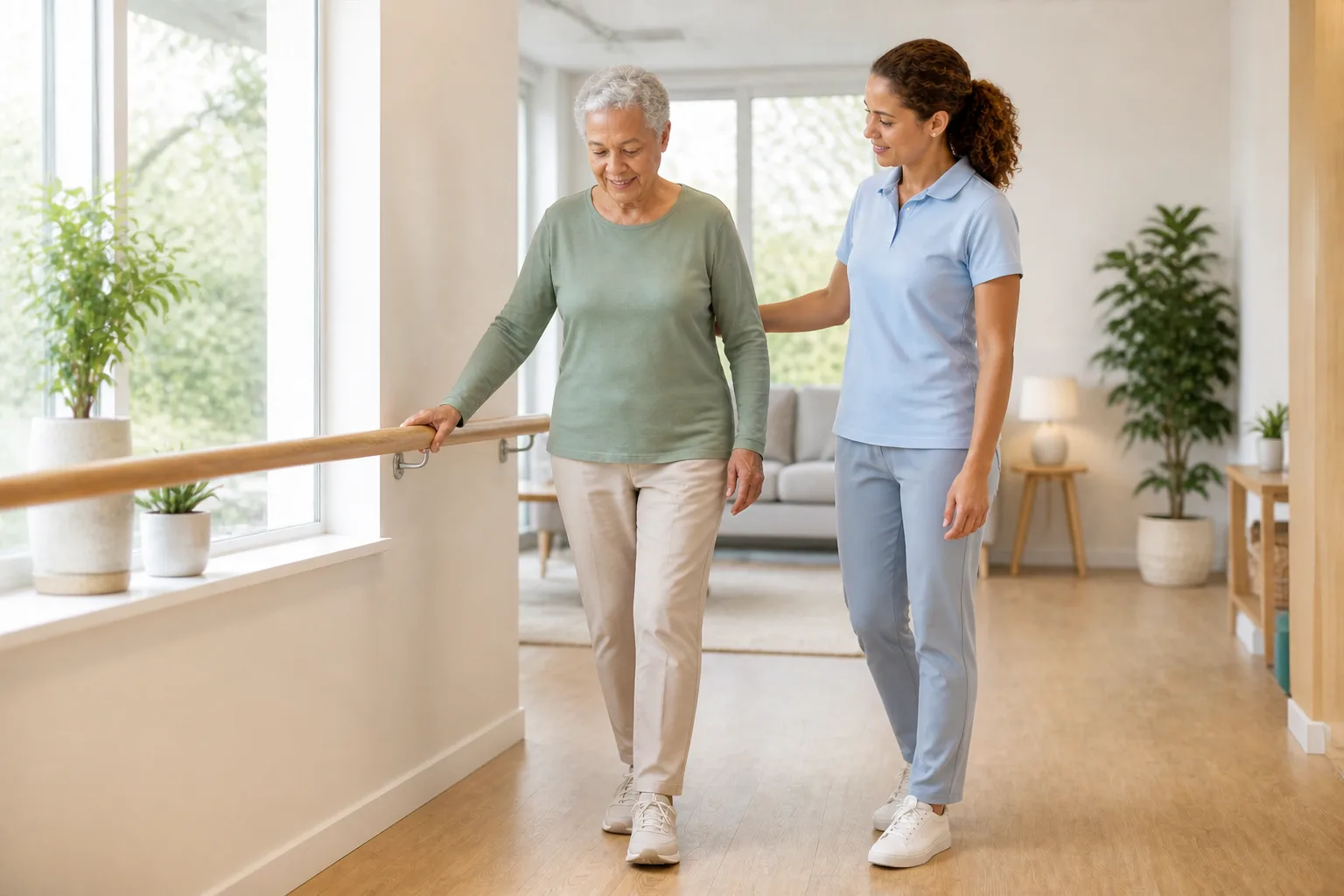
Older adult walking with support in a safe mobility environment
Mobility

Reduced mobility in older adults: signs, causes and safe next steps

Educational article about reduced mobility in older adults, warning signs, common causes, fall risk, safe exercise and when to seek professional assessment.

Read article
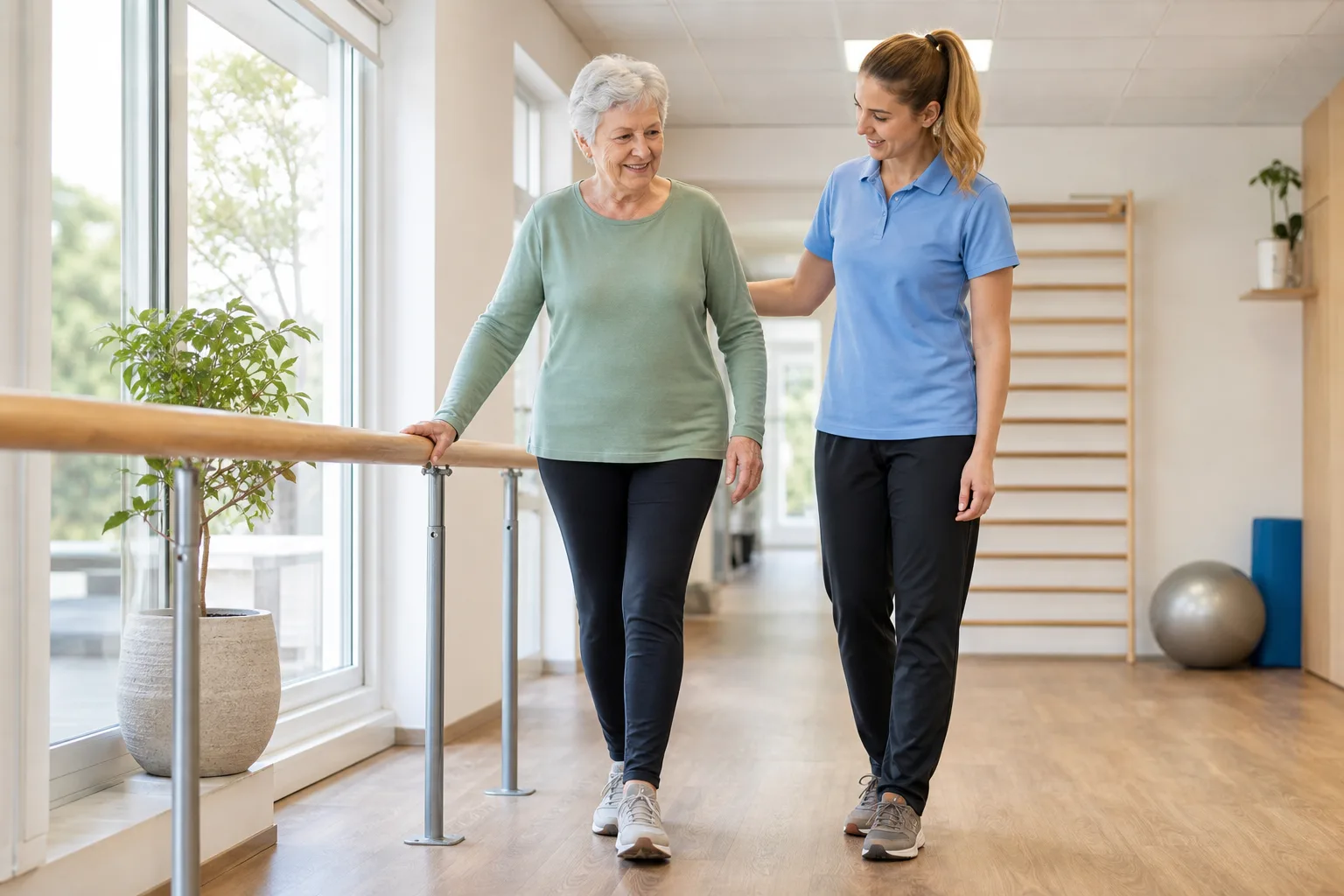
Older adult walking with nearby support from a physical therapist in a safe environment
Mobility

Fear of falling in older adults: how to recognize it and rebuild confidence safely

Educational guide to fear of falling in older adults, impact on mobility, warning signs, fall prevention, exercise, home safety and when to seek professional assessment.

Read article

FAQ

Yes. Even without apparent injury, it may indicate a risk factor worth investigating, such as weakness, dizziness or a medication effect.

Yes, strength and balance exercise guided by a professional is among the most recommended strategies to reduce fall risk.

No. It organizes attention signs, but assessment and a prevention plan depend on professional follow-up.

Seek assessment for recent falls, fear of falling, difficulty standing or walking, or increasing need for support to move around.

References

  • CDC. STEADI — Stopping Elderly Accidents, Deaths & Injuries.
  • NICE Guideline NG249. Falls: assessment and prevention in older people and in people 50 and over at higher risk.
  • Podsiadlo D, Richardson S. The Timed "Up & Go": a test of basic functional mobility for frail elderly persons. Journal of the American Geriatrics Society, 1991.